THE JOYA INTEGRATED REHABILITATION & SKILL DEVELOPMENT ECOSYSTEM
1.1. Core Project Mandate
The proposed Joya Integrated Ecosystem is a long-term social transformation model, not merely a rehabilitation center. It directly addresses interconnected human problems that cannot be solved through isolated interventions alone.
1.2. Restoration of Human Dignity
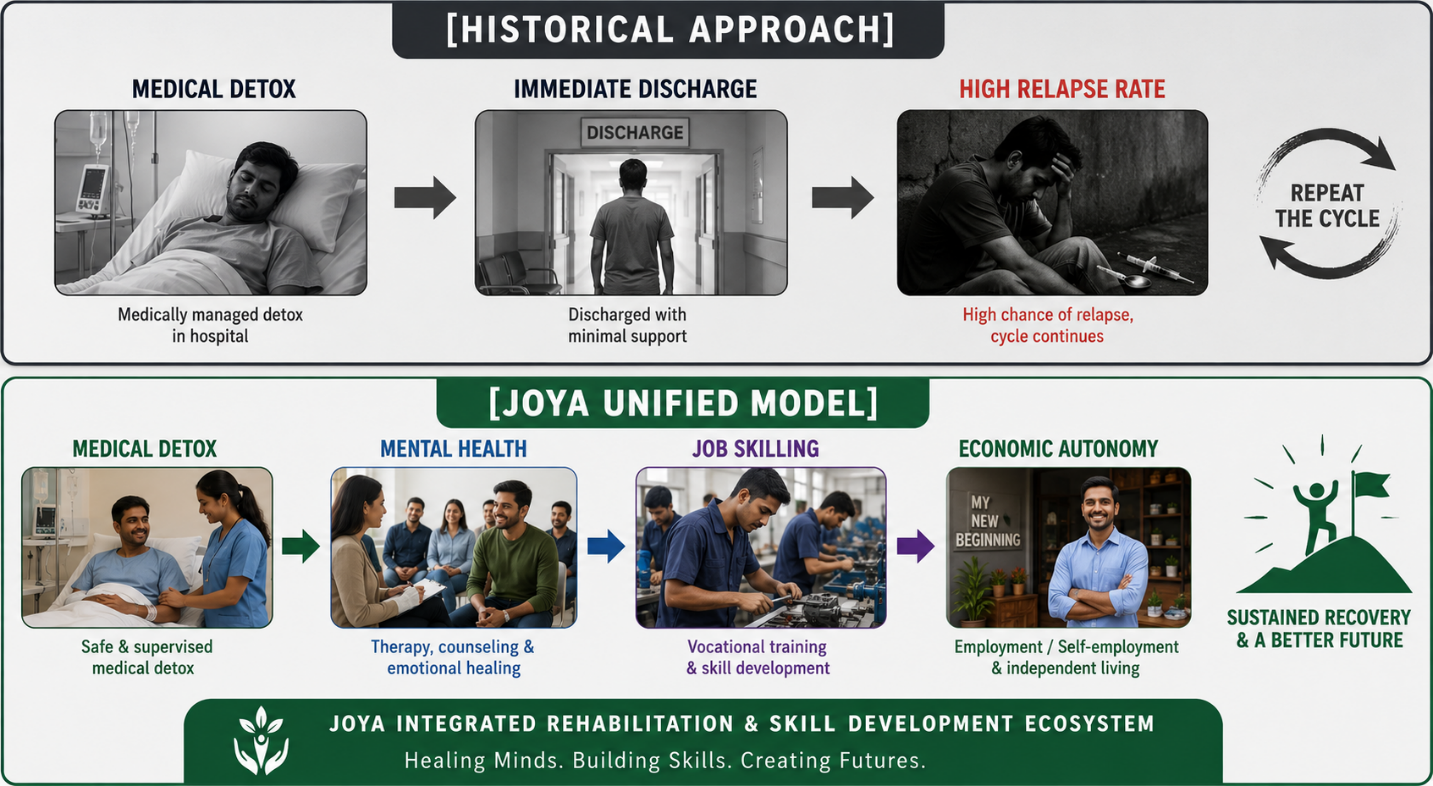
The project treats beneficiaries as human beings capable of recovery, productivity, and leadership. Medical care, skill development, and agro-enterprise work together to convert dependency into self-reliance.
1.3. Reduction of Social Burden
Substance abuse and untreated psychiatric conditions create heavy pressure on families and local communities. This ecosystem helps drastically reduce repeat hospital admissions, drug relapse rates, and social instability.
1.4. Creation of Sustainable Rehabilitation
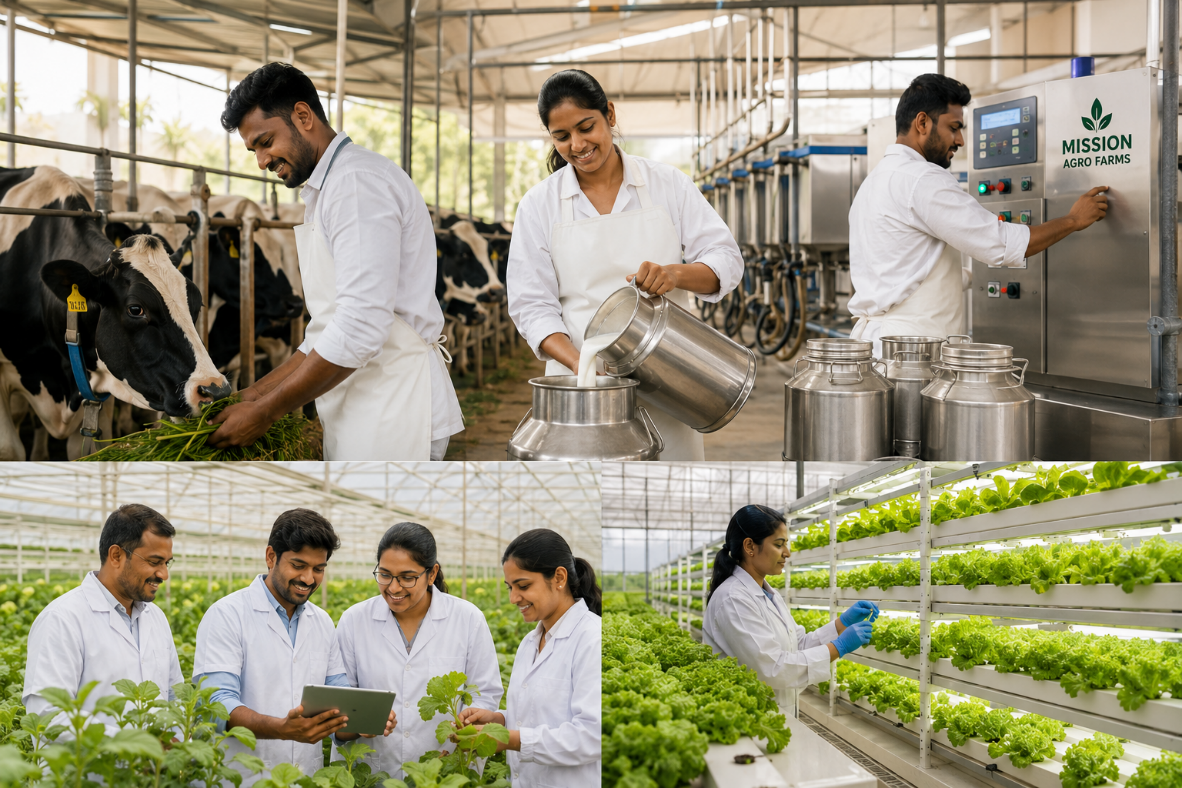
The Joya model introduces agro-based enterprise and vocational productivity to create partial financial sustainability. It provides therapeutic environments, daily structured work routines, and reliable employment pathways.
1.5. Alignment with National Development Goals
The inclusion of NSDC vocational licensing makes the project nationally relevant and aligns with the Skill India Mission. It increases eligibility for government collaboration, CSR partnerships, and public health alliances.
1.6. Faith-Based Compassion with Practical Impact
The Trust's moral credibility allows rehabilitation to be rooted in compassion, discipline, and long-term mentorship. It transforms charity from temporary relief into a complete human recovery and structural rebuilding system.
2.1 Historical Context of the Crisis
Historically, drug enforcement and rehabilitation have operated as separate, uncoordinated efforts, treating addiction as a law enforcement issue. Traditional facilities focus only on short-term detox, causing a revolving-door effect of high relapse rates.
2.2 Contemporary Empirical Data
Public hospital records indicate a massive annual traffic flow of patients seeking intervention, alongside escalating narcotics activity. A high concentration of youth face severe substance abuse vulnerabilities tied to unemployment and distress.
3.1 Facility Spatial Layout & Capacity Matrix
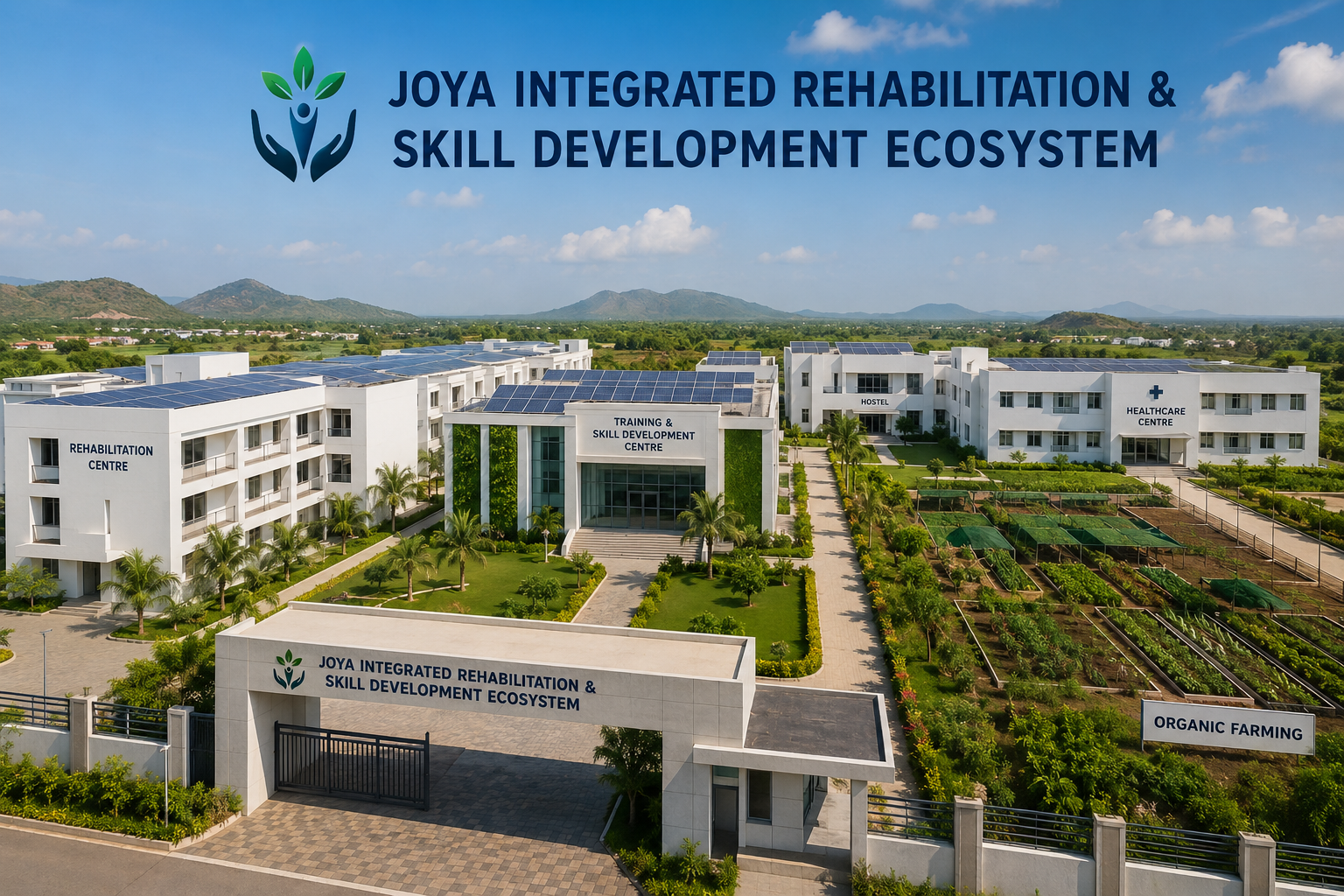
The project will implement a multi-district network of 50 specialized treatment hubs built using a standard blueprint. Each hub contains clinical wards, residential dorms, therapeutic spaces, vocational labs, and localized agro units.
4.1 Detailed Costing Per Standard Hub
Standardized setup ensures predictable scaling, with a total per hub cost of ₹6.00 Crores. This budget thoroughly covers land acquisition, civil works, clinical equipment, vocational labs, and utility fixtures.
4.2 Grand Consolidated Budget Framework
The core infrastructure setup, alongside the centralized Mission Agro Farms engine and an operational cushion, requires significant capital. The total project capital requirement is structured at ₹400.00 Crores.
4.3 Capital Sourcing & Allocation Strategy
To ensure absolute financial security, the budget uses a highly diversified funding model. It leverages Corporate CSR Consortiums, Philanthropic Trusts, Institutional Grants, and Global Community Trust Networks.
5.1 Financial Performance Forecasts
The project utilizes an agro-industrial model to break free from long-term dependency on donations. It aims to achieve a break-even point by Year 2 and become fully autonomous and self-sustaining by Year 5.
6.1 Clinical & Public Health Relief
The initiative expands capacity by adding 2,500 specialized treatment beds across the state, relieving overcrowded government hospitals. Over 5 years, it will help 75,000+ individuals recover from addiction and improve family stability.
6.2 Economic Growth & Up-Skilling
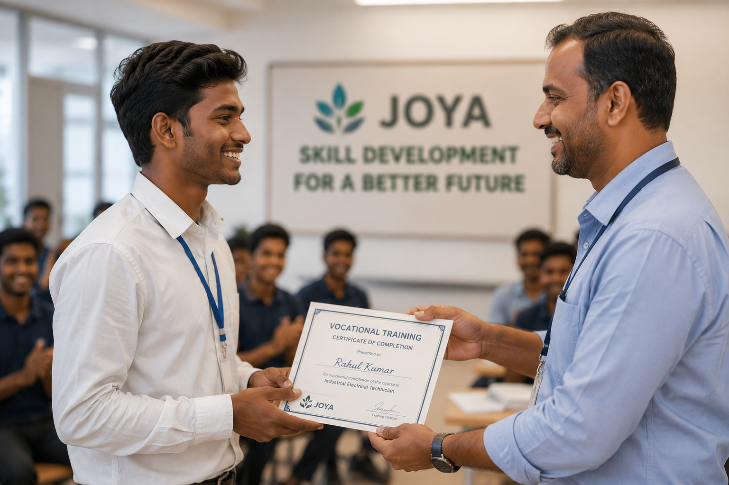
The project will train and formally certify 50,000+ youth in NSDC trades over a 5-year period. This turns vulnerable individuals into highly skilled workers and creates jobs for over 1,500 local professionals.
6.3 Supporting Law Enforcement & Communities
Providing rehabilitation and job placement directly reduces petty crime, drug sales, and gang activity around identified drug hotspots. By combining recovery with guaranteed jobs, communities become significantly safer and more stable.
7.1 Capital Expenditure Infrastructure Cost
The ₹70 Lakhs allocated per center for skill infrastructure covers critical operational sectors. This includes Agro-Processing, Green Energy, Manufacturing, IT Hardware, and essential Core Utility Tools.
7.2 Sectoral Curriculum & Operational Delivery
All vocational courses strictly align with the National Skills Qualifications Framework (NSQF) to enable formal government certification. Training is heavily practical, focusing on hands-on skills in agriculture, energy, and digital commerce.
7.3 Mandatory Foundation & Reintegration Modules
Every beneficiary across all trades must pass foundational modules to qualify for graduation. These modules cover Substance Relapse Ecology, Financial Literacy, and essential Soft Skills for professionalism.
7.4 Post-Graduation Employment Pathways
Each trade is backed by a structured exit pathway, ensuring graduates secure sustainable employment. Pathways include immediate captive deployment in Agro Farms, B2B corporate placements, and supported micro-entrepreneurship.
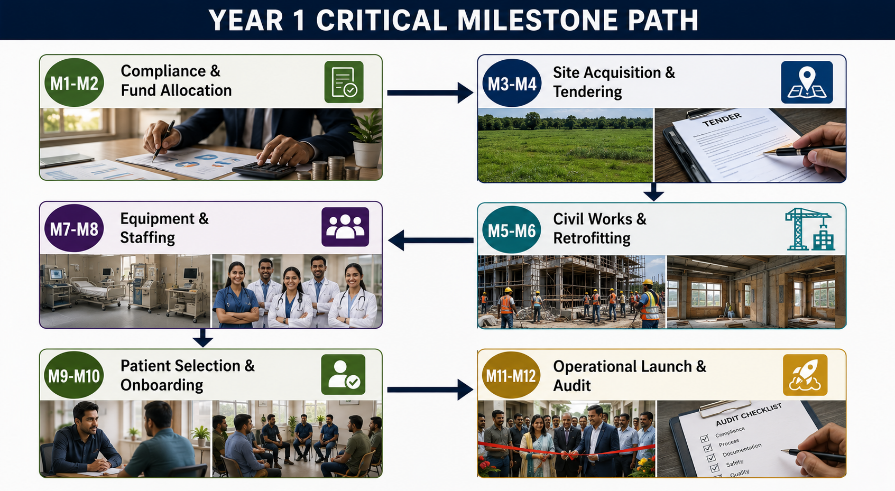
Phase 1 & 2: Governance, Compliance, and Acquisition
The initial phases focus on locking down legal frameworks, escrow mechanisms, and securing state approvals. This is followed by acquiring land, completing structural audits, and launching bulk procurement lines.
Phase 3 & 4: Construction and Recruitment
Civil shell engineering, interior fit-outs, and vocational lab installations are completed across all sites. Specialized medical teams and administrative staff are then recruited and trained, alongside extensive community outreach.
Phase 5 & 6: Operations, Admissions, and Placements
The first batches of patients are admitted for detox and therapeutic stabilization. By the end of Year 1, students graduate with NSDC certifications, secure jobs, and a comprehensive social audit is published.
8. Risk Management Matrix
High severity risks like patient relapse are addressed through mandatory 12-month follow-up programs and direct employment options. Medium risks like cash flow gaps are safely managed by a dedicated working capital reserve.
9. Governance, Transparency, and Compliance
The project employs a clear three-tier governance system involving an Administrative Board and a Medical Review Board. A Real-Time CSR Dashboard gives donors and auditors instant, transparent access to financial and recovery data.
DETAILED PROJECT REPORT (DPR) 2026
DPR 2026: EXECUTIVE SUMMARY
The JOYA Integrated Rehabilitation & Skill Development Ecosystem is a transformative social infrastructure project being implemented by MISSION CHARITABLE TRUST across 50 districts of Andhra Pradesh. With a total outlay of ₹400 Crores, the project integrates medical de-addiction, psychiatric rehabilitation, NSDC-certified vocational training, and agro-industrial enterprise.
PROJECT PRESENTATION & CORPORATE PROFILE
Mission Charitable Trust is 12A & 80G registered and CSR-1 verified. Led by Founder Mr. Jonnalagadda Vijay Kumar, it aims to replace the 'revolving-door' of traditional de-addiction with economic empowerment and long-term sustained recovery through four cohesive elements: Detoxification, Psychiatric Rehab, Vocational Certification, and Agro-Industrial Enterprise.
NEED ASSESSMENT & CRISIS MATRIX
With 22,909 documented in-patients seeking treatment annually and only ~21 government centers, Andhra Pradesh faces a massive treatment gap. The economic cost of inaction—including lost productive labor, law enforcement costs, and public hospital burdens—is estimated at over ₹1,940+ Crores annually.
FINANCIAL HIGHLIGHTS & OUTLAY DETAILS
The ₹400 Crore capital investment covers 50 Hub Infrastructures (₹300 Cr), Mission Agro Farms (₹50 Cr), and Working Capital (₹50 Cr). The project targets a Net Surplus of +₹25 Crores by Year 5, with a break-even point reached by the end of Year 2.
Our Dream Project: THE JOYA ECOSYSTEM (Proposal)
The JOYA Integrated Ecosystem represents the ultimate Dream Project of the Mission Charitable Trust. It is a monumental shift from temporary charity to structural social transformation. By empowering vulnerable youth with skills, dignity, and sustainable livelihoods, we are building a safer, healthier, and self-reliant Andhra Pradesh for generations to come.
DETAILED PROJECT REPORT (DPR) - EXTENDED
Target Geography: Andhra Pradesh, India — 50 Multi-District Infrastructure Hubs
Implementing Agency: MISSION CHARITABLE TRUST
Promoter / Trustee: Mr. Jonnalagadda Vijay Kumar, Founder & Authorized Trustee
Total Project Outlay: ₹400.00 Crores (Four Hundred Crores)
Document Date: May 2026
Status: 12A / 80G Registered — CSR-1 Verified
Verification: RAKESH M & ASSOCIATES, CA. RAKESH KUMAR MANDAL
1. Financial Architecture & Outlay Details
The project requires a comprehensive capital layout designed for long-term sustainability. It encompasses Hub Infrastructure for all 50 units (₹300.00 Crores), the core Mission Agro Farms Engine (₹50.00 Crores), and a fully secured Working Capital Reserve spanning 5 Years (₹50.00 Crores). With these investments, we project a steady revenue of ₹100.00 Crores per annum by Year 5, ensuring a Net Surplus of +₹25.00 Crores. The entire ecosystem is meticulously planned to reach its Break-Even Point by the end of Year 2.
2. Public Benefits & Social Return on Investment (SROI)
This initiative is a massive multiplier for social good. For every ₹1 invested in the Joya Ecosystem, the projected Social Return on Investment (SROI) is an impressive ₹4.80 by Year 5. This massive return is driven by drastically reduced public hospitalisation costs, increased tax revenues from our skilled workforce entering the economy, significant reductions in law enforcement costs by actively clearing 869 drug hotspots, and greatly decreased social welfare expenditure through the stabilisation of over 15,000 families in crisis.
3. Capital Deployment & Vocational Curriculum
The deployment spans 5 highly structured years across Andhra Pradesh’s major regions, targeting vulnerable drug hotspots. It strictly adheres to escrow tracking for absolute transparency. We are targeting 50,000+ youth to be officially certified under the NSDC. The comprehensive curriculum covers high-demand sectors such as Agro-Processing, Green Energy & Electrical, Manufacturing & Logistics, and IT Hardware. Each trade is fortified with a structured exit pathway, virtually guaranteeing graduates secure, sustainable employment the moment they complete their training.